Skip to content
Issue One — New Beginnings — out Monday 12 October. Register free to read the full edition. Register free →
The RaconteurKalyani Kalakriti Foundation
12OCT

A Kalyani Kalakriti Foundation publication

India’s next great artists are in art school right now. Almost nobody is looking at them.

The Raconteur is a weekly magazine of long-form stories about India’s student artists, with a new themed edition every month — and a catalogue where their work can be seen, and bought, while they are still studying.

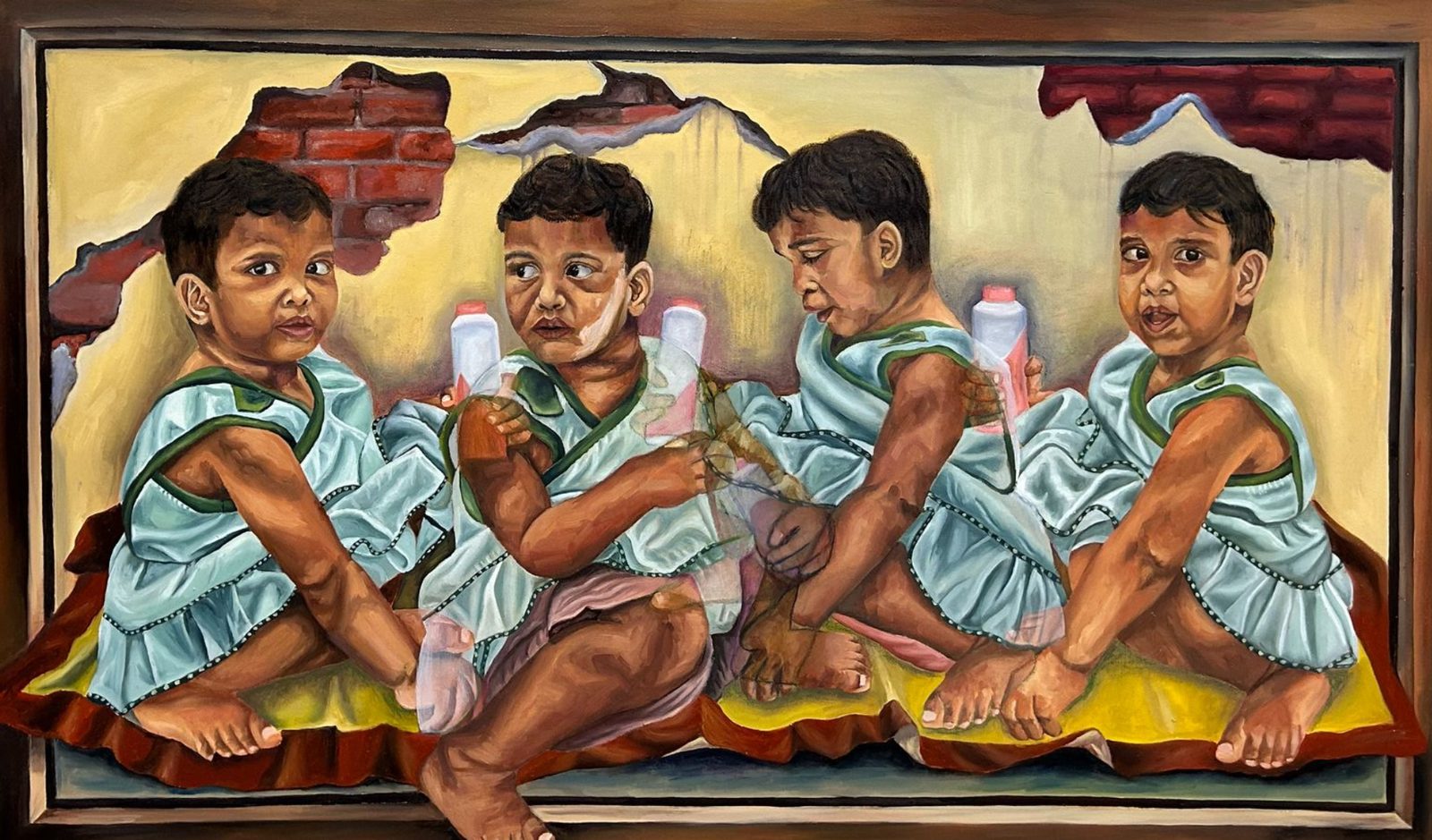
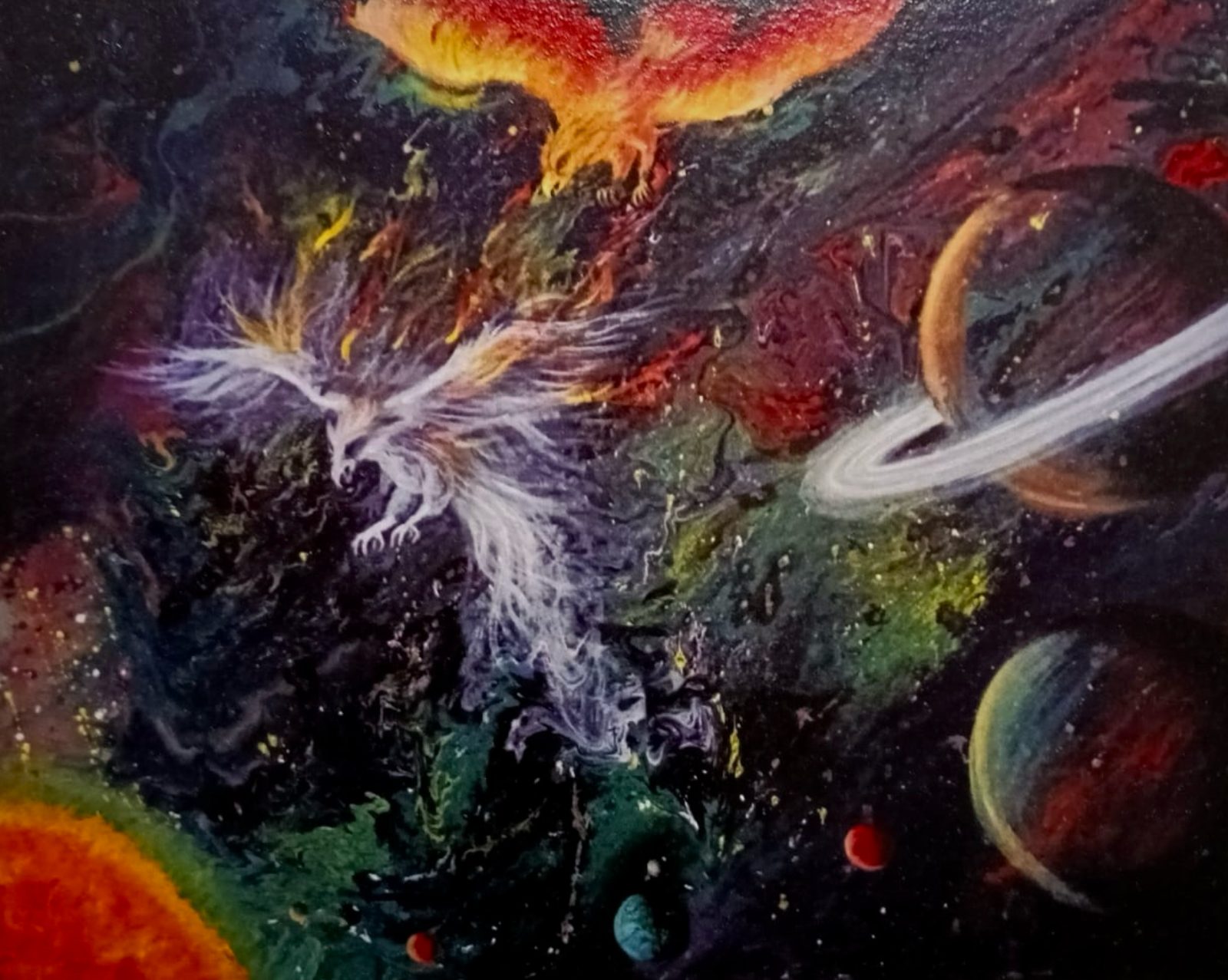
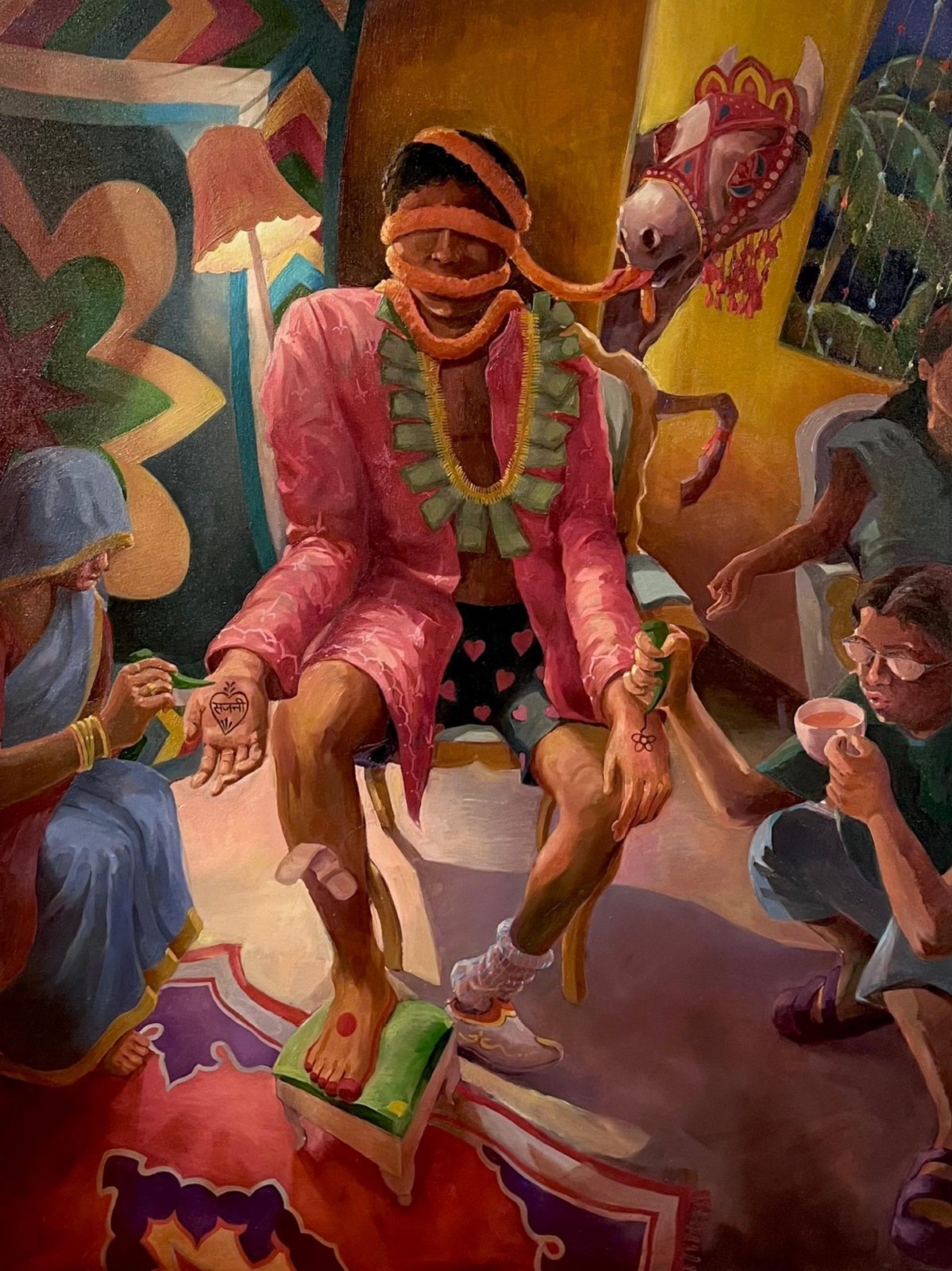
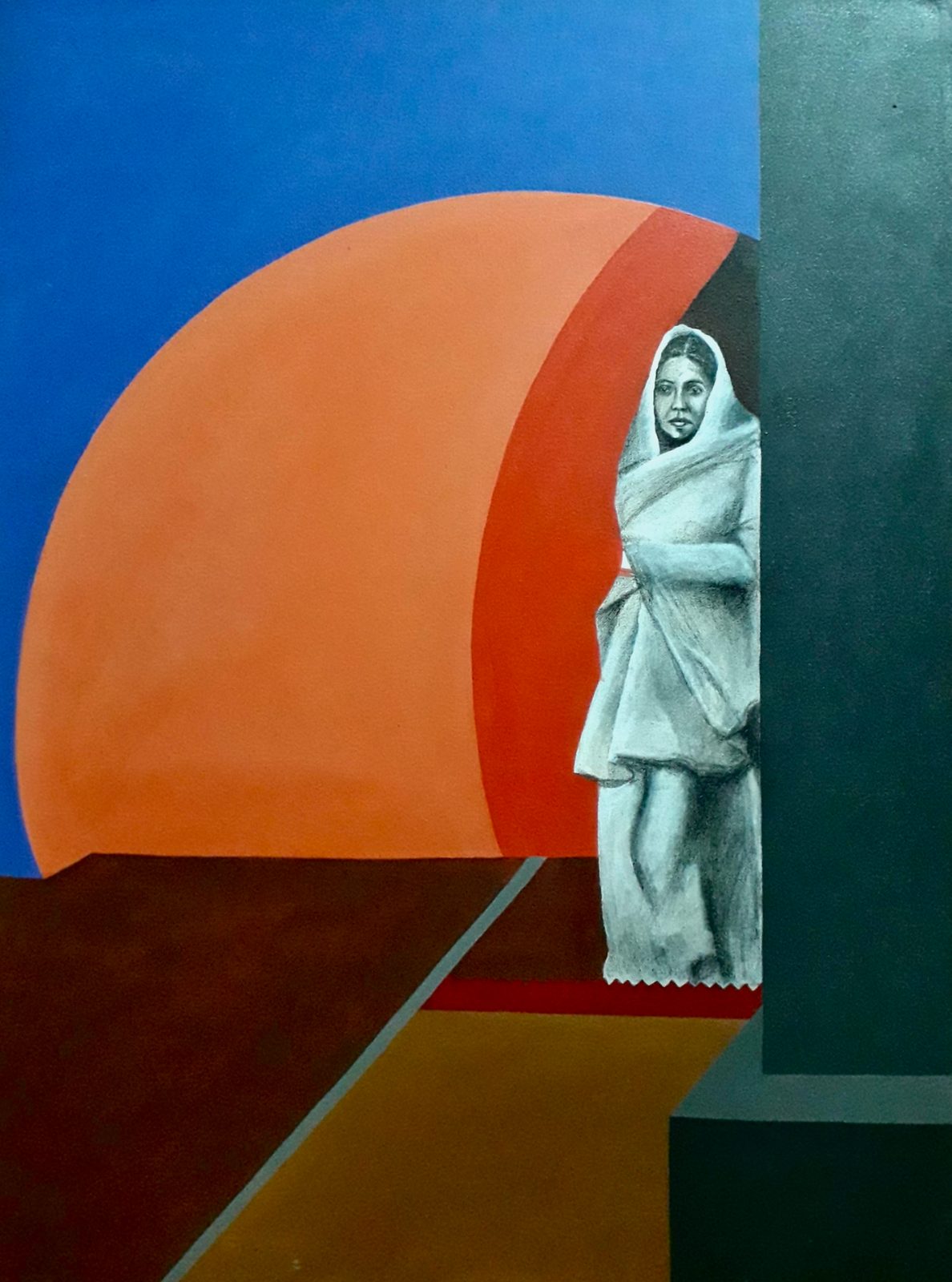
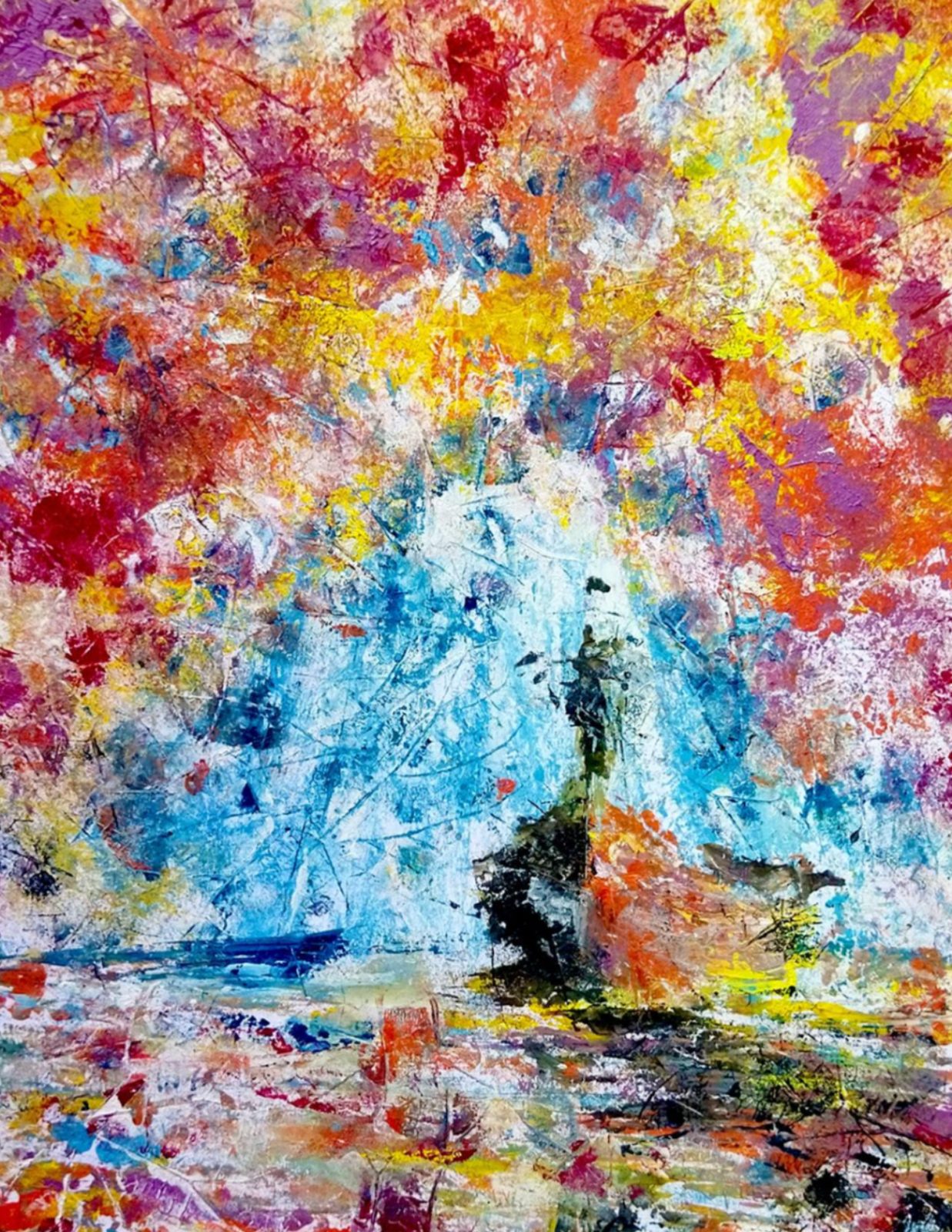
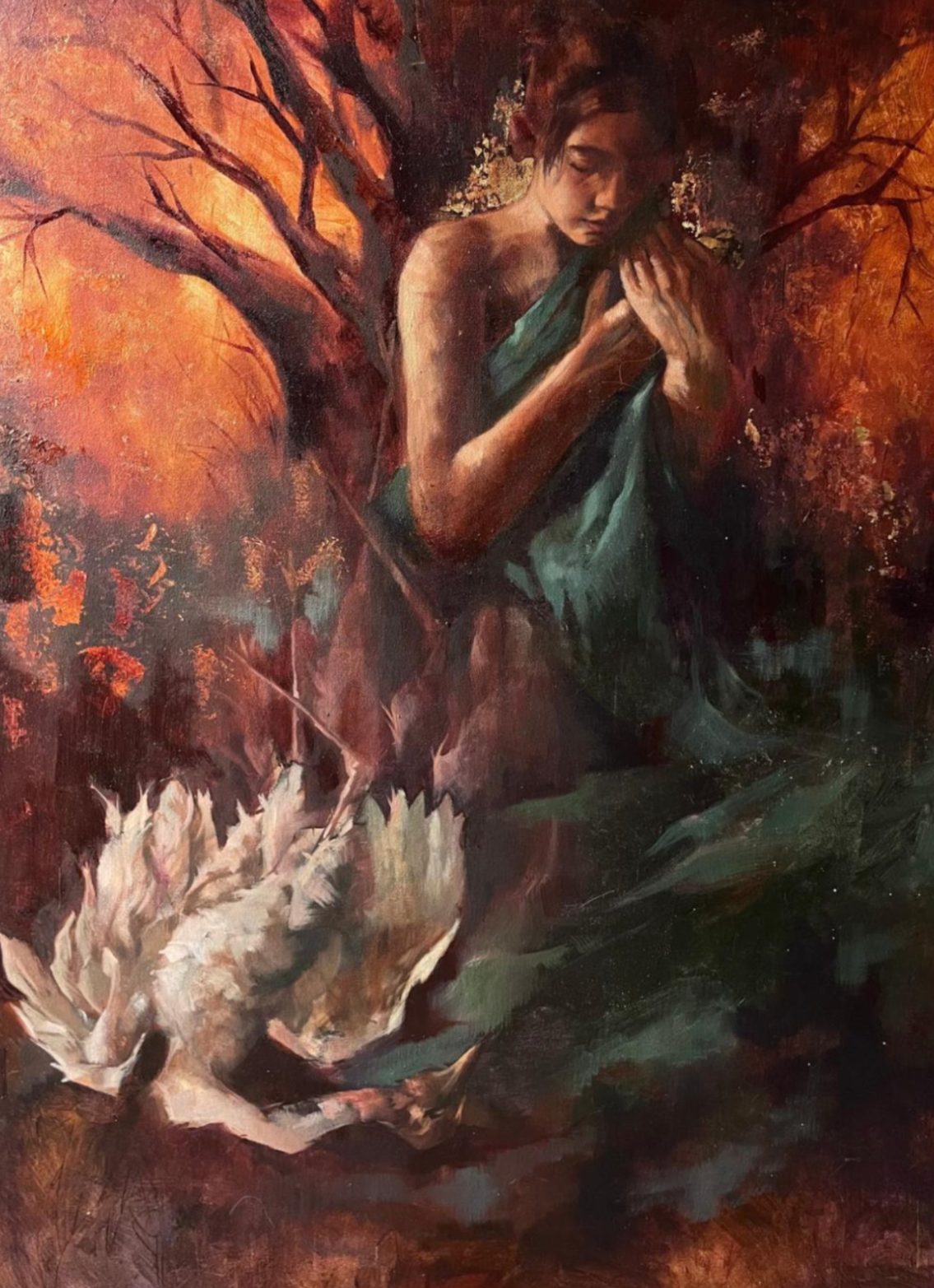
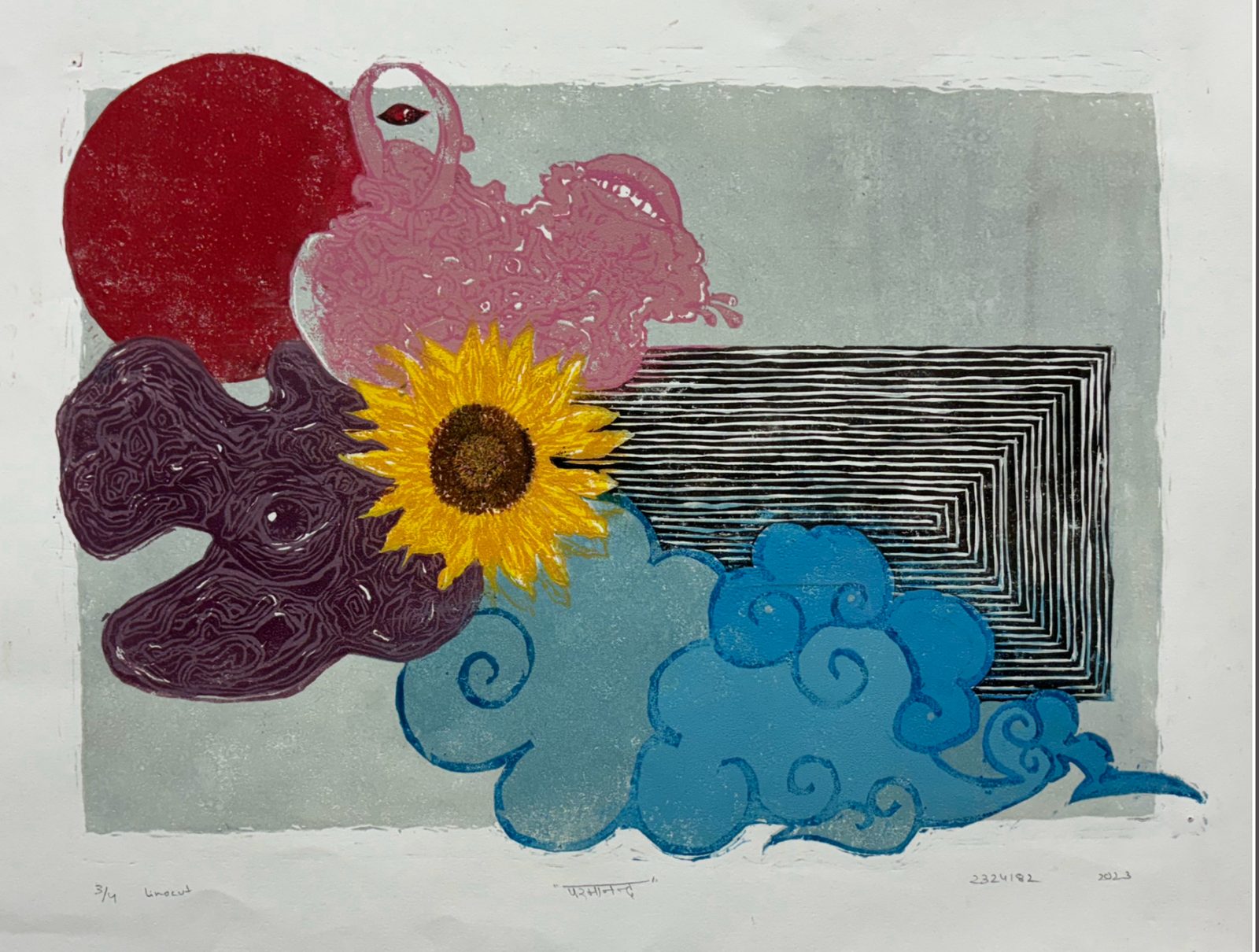
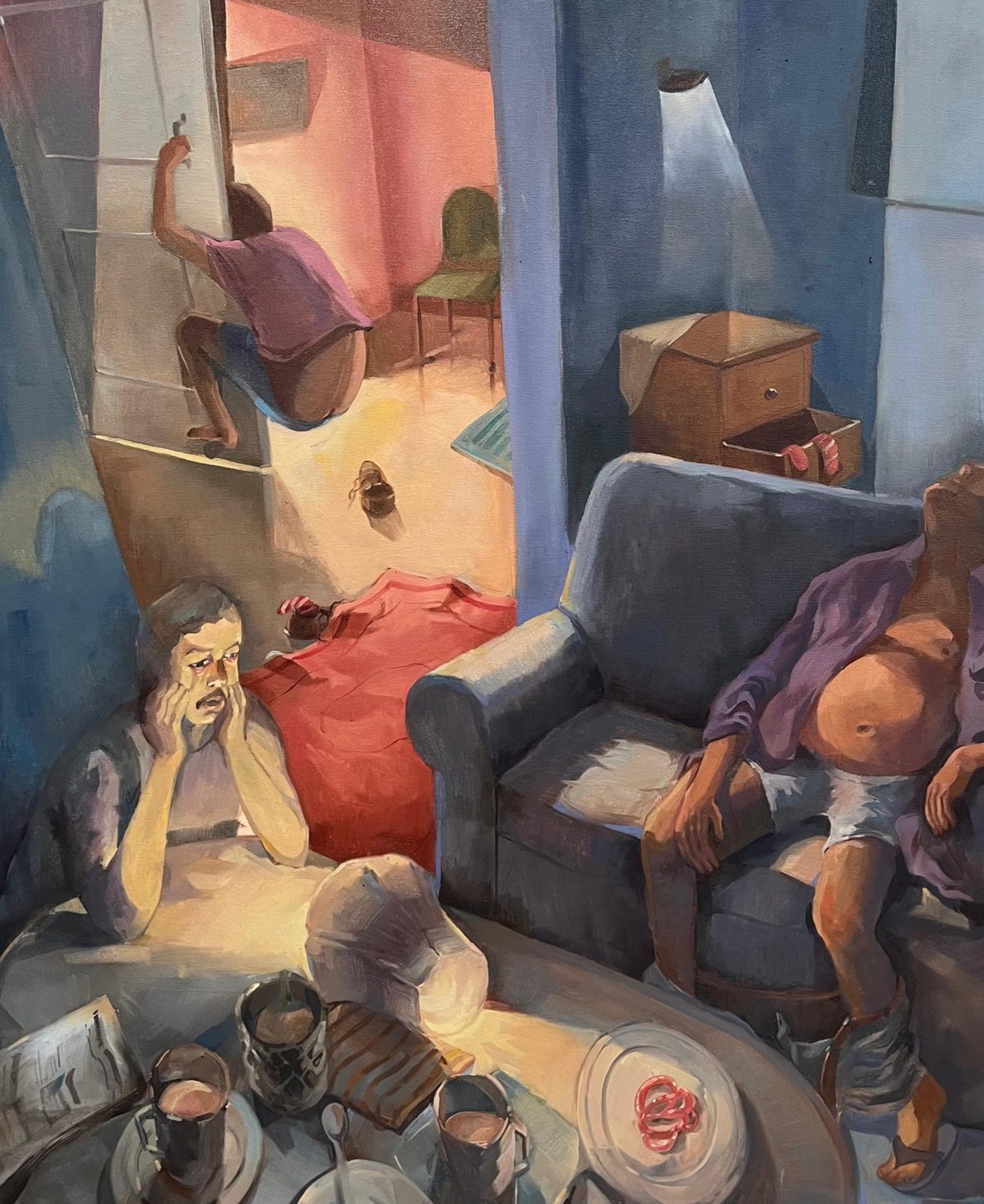
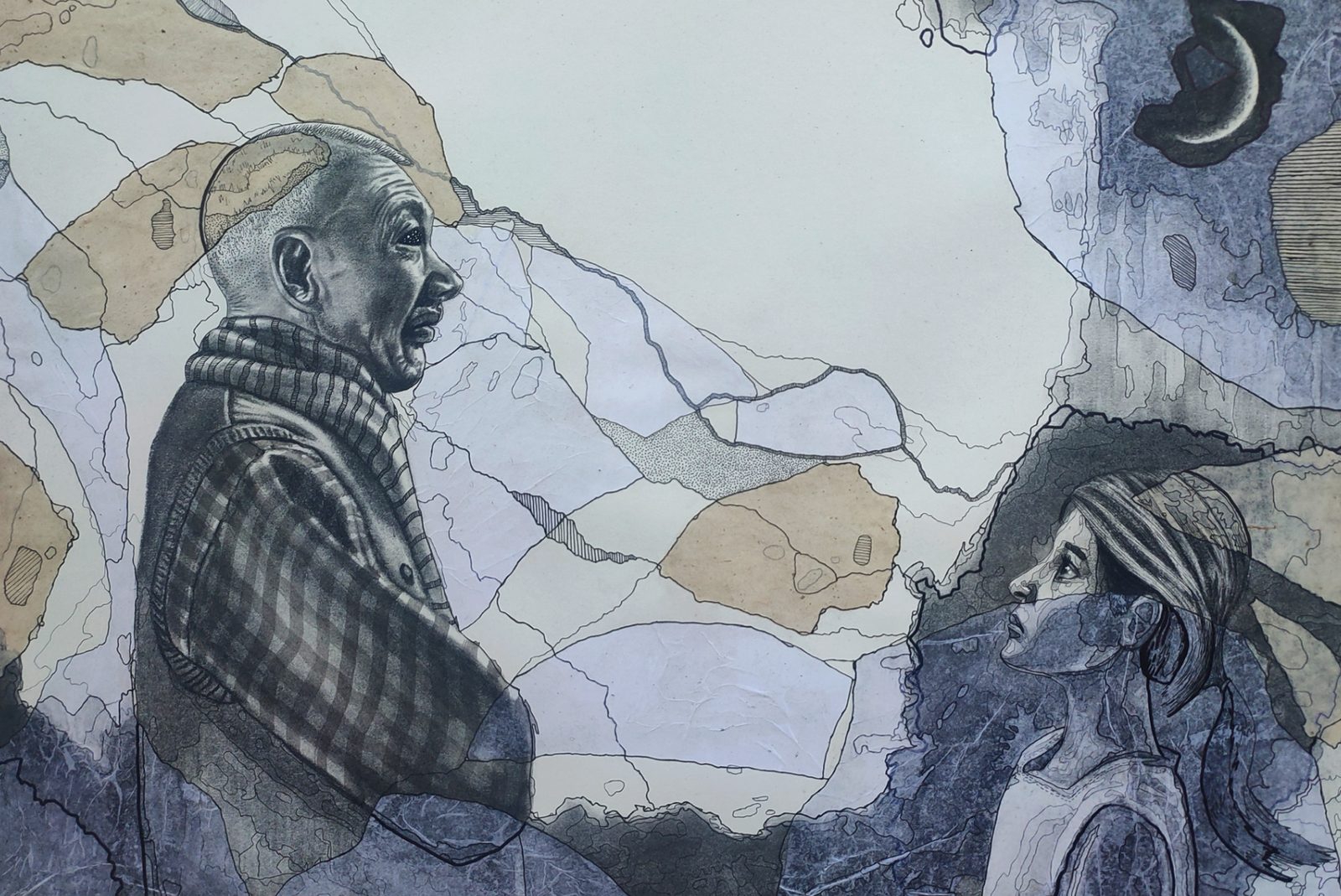
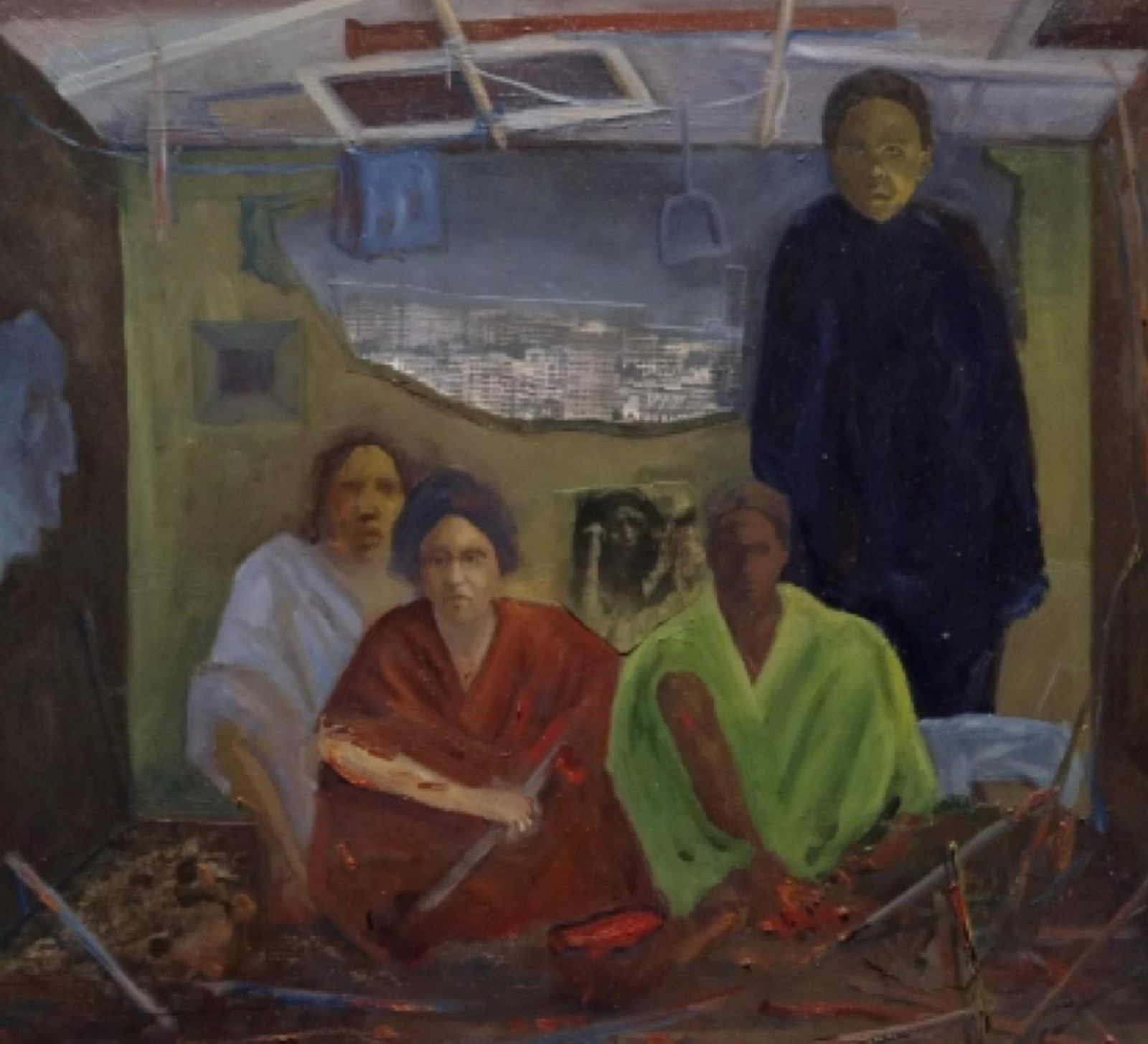
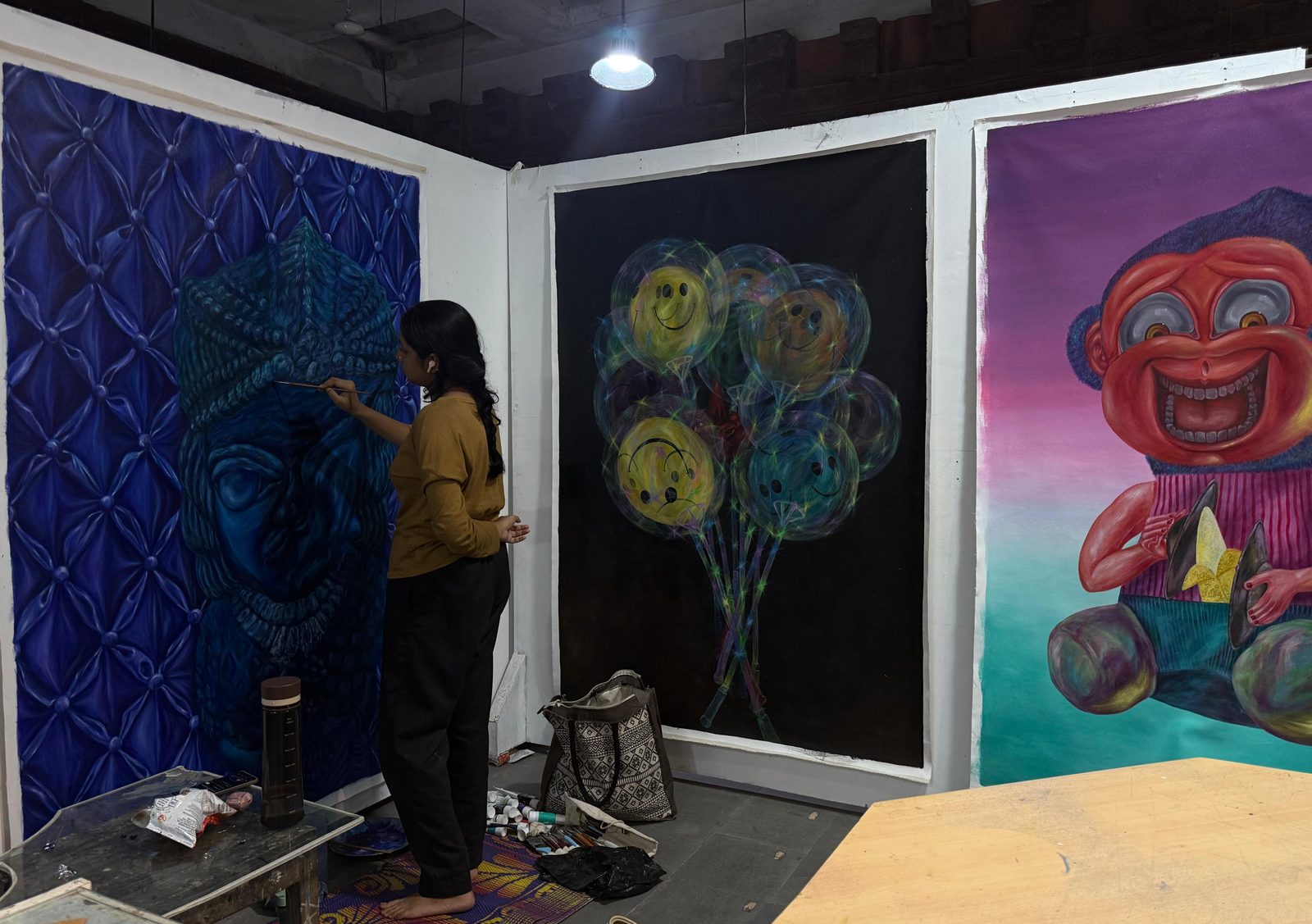
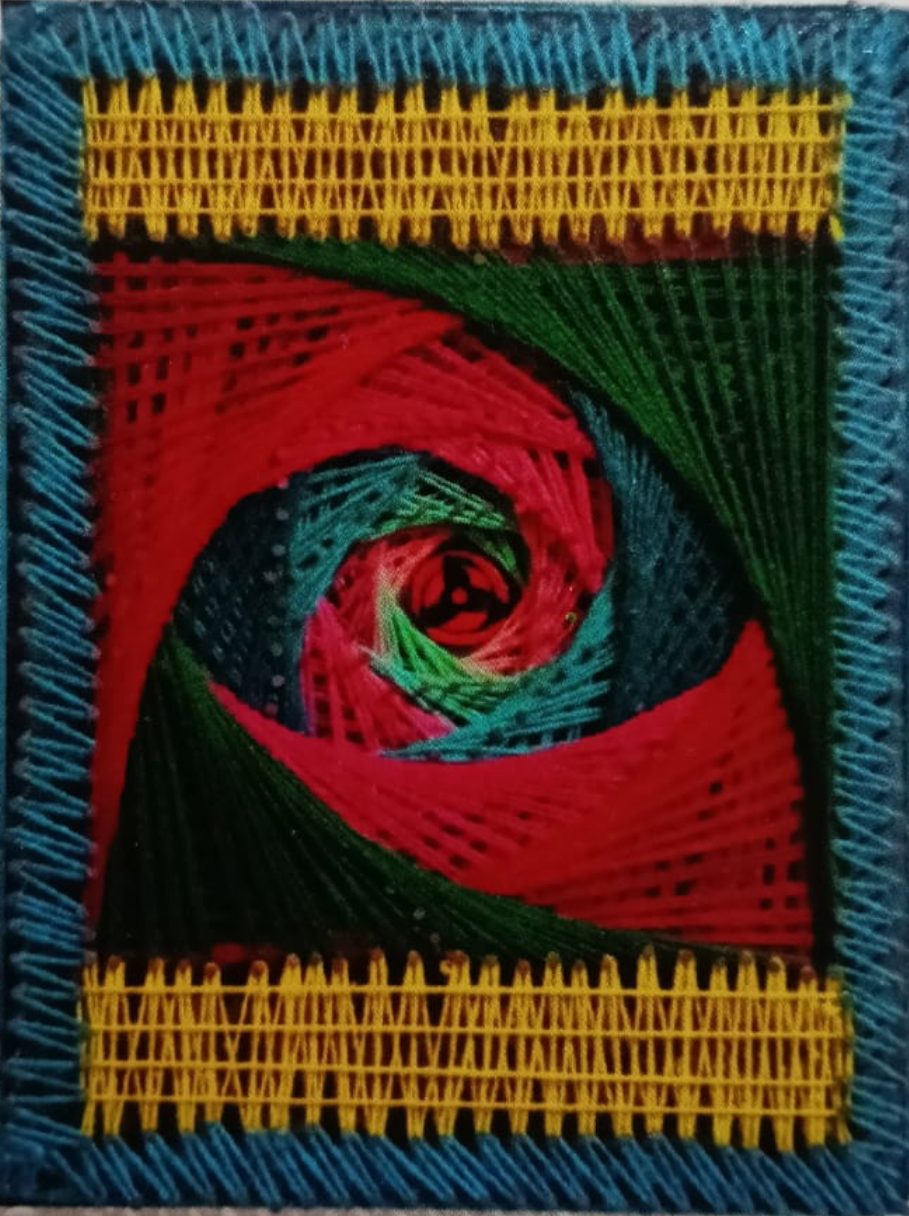
Work by Archit Maurya, Avantika Tyagi, Deepak Kumar Rai, Nandini Tanwar, Nikhil Daksh, Priyanka Yadav, Sourav Gill, Utkarsh Shakya — all previously featured on @theofficialraconteur

OPEN CALL ✦ FREE, ALWAYS ✦ THE STUDIO · FIRST YEAR OUT · THE LONG VIEW ✦ THE PANEL SEES THE WORK, NEVER THE NAME ✦ SUBMIT YOUR WORK →   
01The RaconteurEdition One · New Beginnings

The magazine

Issue One opens in a few hours.

Monday 12 October. Read it right here — free for everyone who registers.

Register free

Edition One · New Beginnings

Five artists, every Monday.

Issue One on 12 October, then 19 October, 26 October and 2 November complete Edition One. Every artist was chosen by a panel of four practising artists and art-school faculty, who saw the work and never the name.

Free for everyone who registers. Register once and read every issue in full, the flipbook and the archive. Students and faculty stay free, always.

The Studio

Three artists still at art school, in every issue — the work, the method, and the day it changed.

First Year Out

One artist in the first years after graduating, when the support stops and the work has to carry on.

The Long View

A member of the selection panel on what they look for, and what they wish someone had told them.

The Noticeboard

18 shows, workshops and calls for art students · 5 ending this week

See what’s coming up →

The gap

The problem is not talent. It is arithmetic.

01

The work never leaves the building.

A brilliant final-year show is seen by classmates, faculty and a handful of parents — and then it is wrapped in newspaper and carried home. There is no bridge between a college corridor and a collector, a curator, a commissioning brand, or a national readership.

02

The costs arrive years before the income.

Canvas, clay, kiln hours, camera hire, studio rent, framing, transport, the entry fee for a group show. An arts education asks a student to spend for four to six years before it permits them to earn anything at all.

03

So they leave.

Not because they stopped being artists. Because nobody built the first rung of the ladder. Every year India trains a generation of artists, and then loses a large share of them to work that has nothing to do with why they came.

“We are not waiting for these artists to graduate. The waiting is the problem.”

So far

The open call, in numbers.

139artists have sent us their work
786works submitted to the open call
78of them still at art school
22states and union territories

Counted live from every submission. The panel sees the work, never the name.

Already on our wall

Original work by India’s young artists.

Every artist The Raconteur has featured so far is on our Instagram — their work, their studios and their stories. Tap the wall to meet them all.

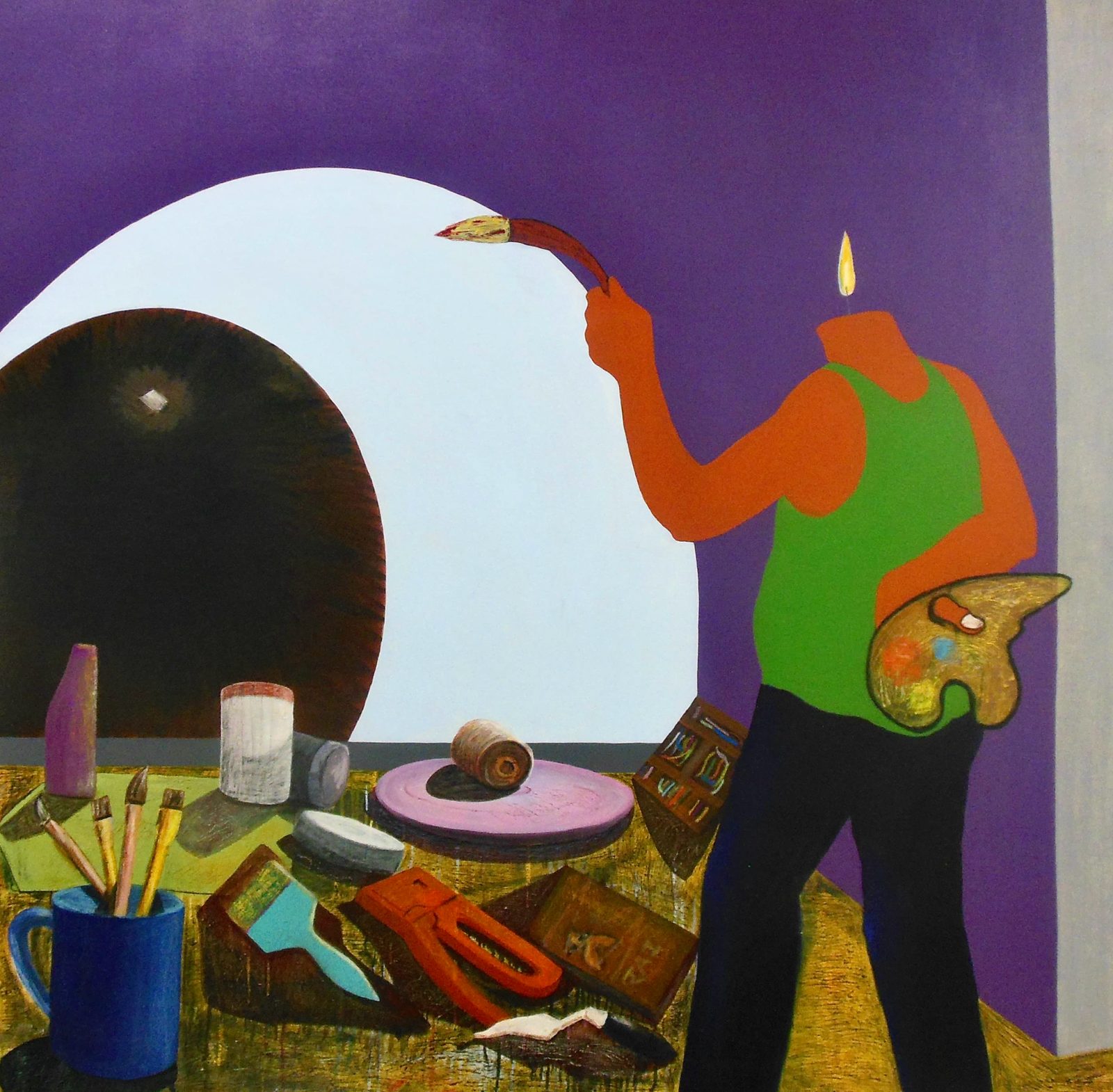
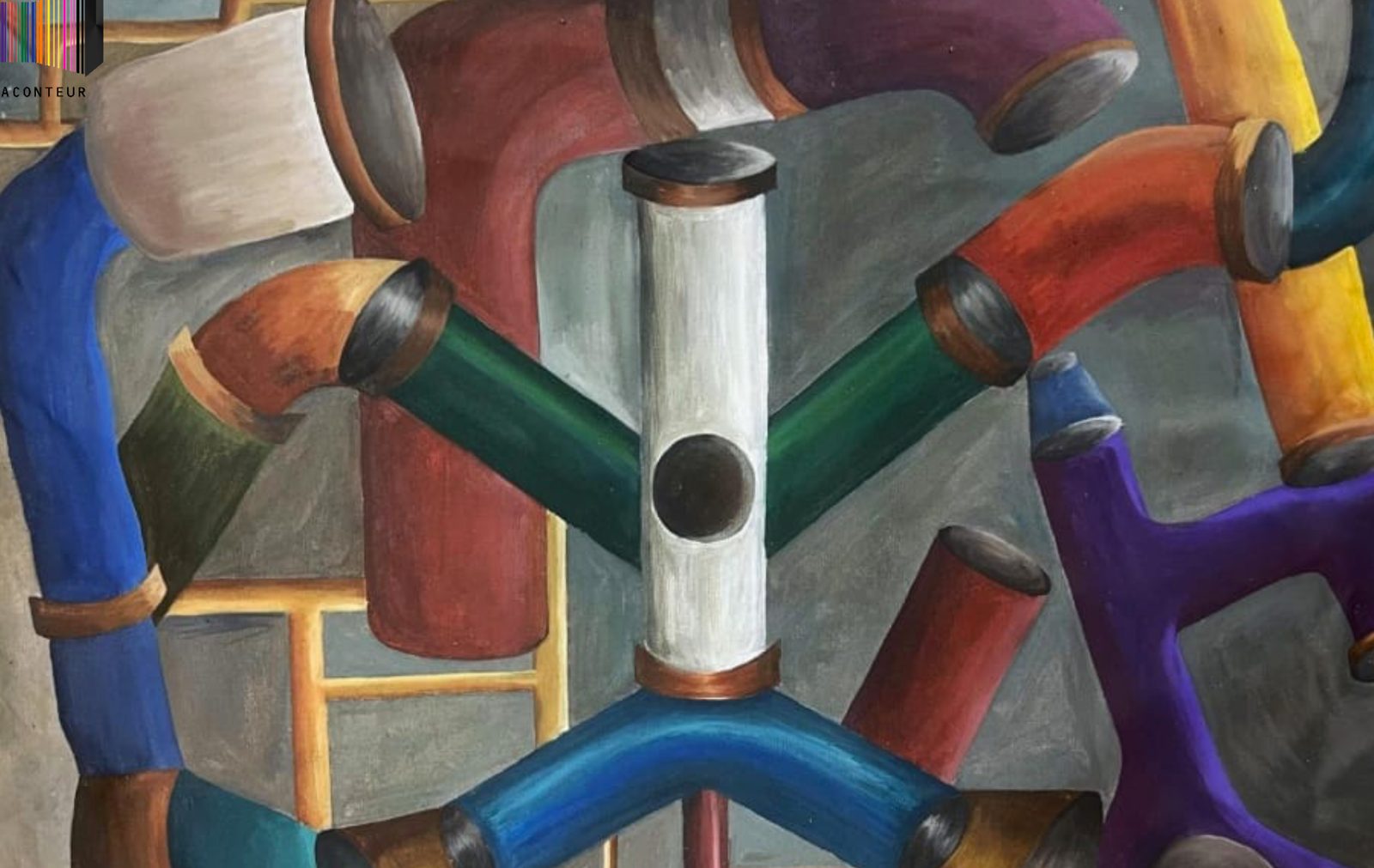
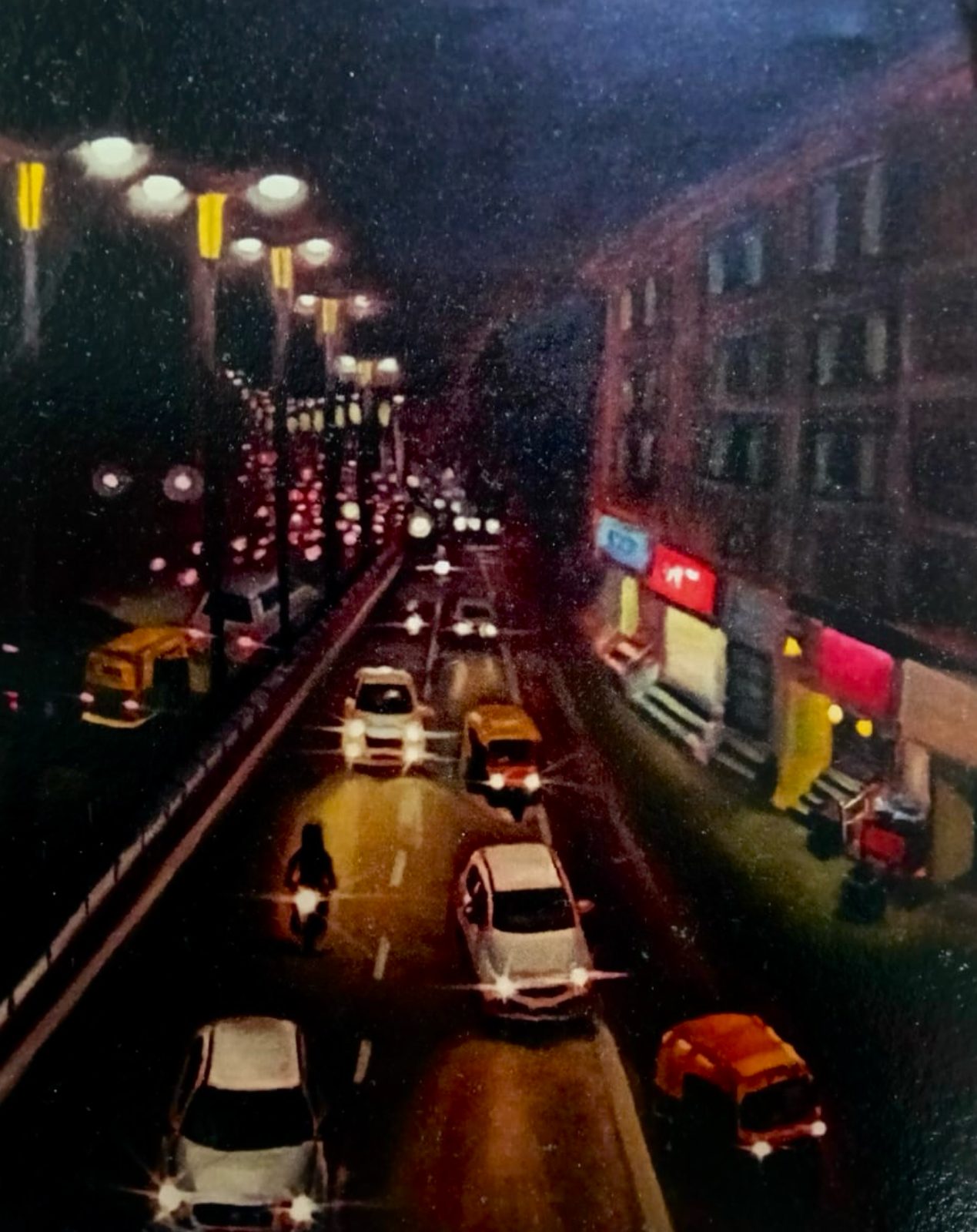
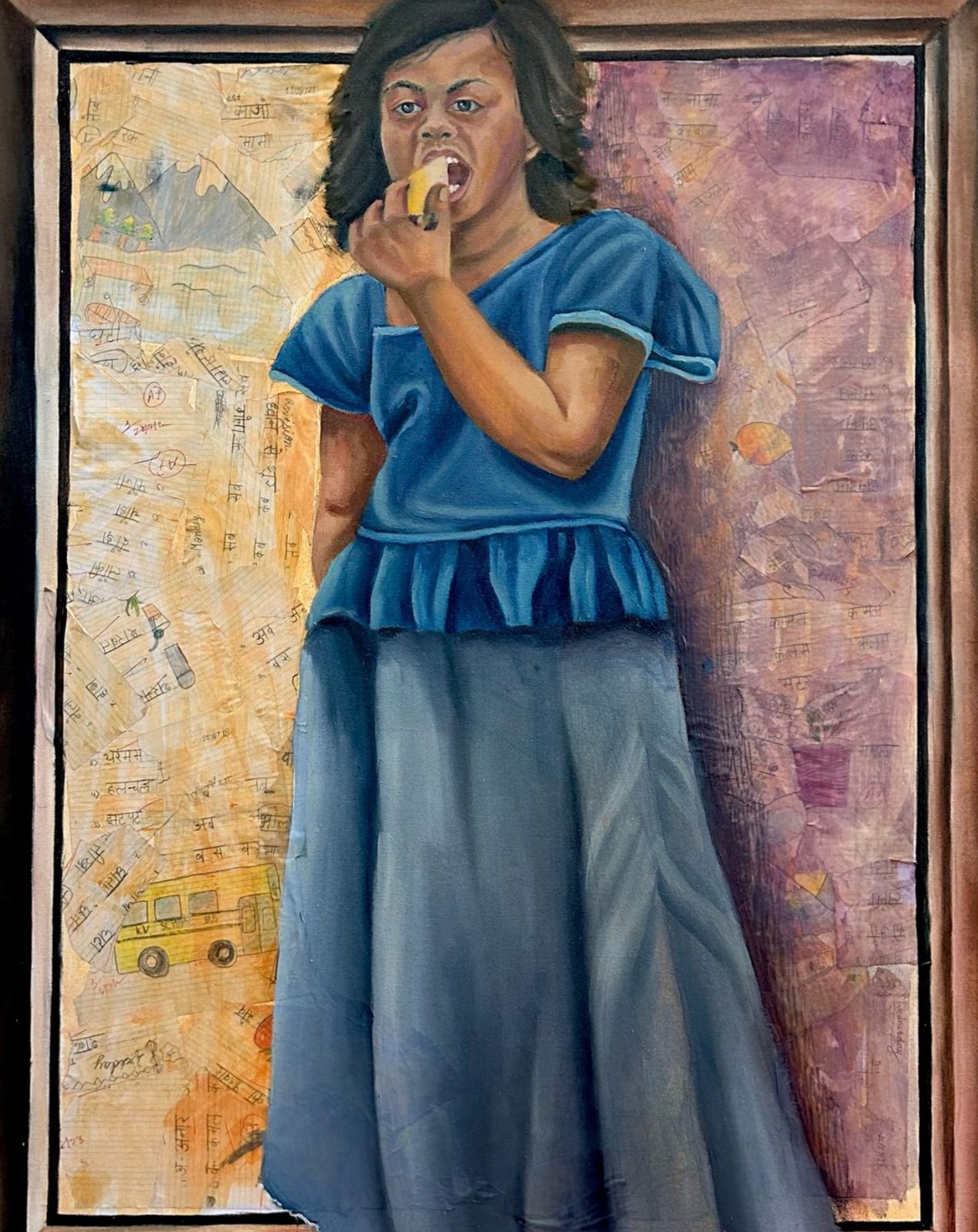
Phoenix in the Cosmos by Sourav GillChildhood Innocence by Avantika TyagiEcstasy by Archit MauryaAfter Tchaikovsky’s Swan Lake by Nandini TanwarHierarchy by Deepak Kumar RaiAutumn by Priyanka YadavPre-Wedding by Utkarsh ShakyaConnections I by Nikhil DakshAncestor by Navanshu KumarReality by Rakesh AhirwarIn the studio by Esha PaulKamui by Sourav Gill@theofficialraconteurSee every artist we’ve featured →

See all our featured artists on Instagram →

The Long View

The panel, and the work they make.

Practising artists and art-school faculty who choose our artists by the work alone — and get a wall of their own.

Pranjal Saini
Pranjal SainiAnimator and visual artist; Visiting Faculty, College of Art, Delhi

Pranjal Saini is an animator and visual artist based in Delhi, working across 2D and 3D animation, visual development, illustration and painting. His practice is rooted in storytelling and observation, often drawing from everyday life, people and social…

Pranjal Saini

The panel · Edition One

Pranjal Saini

Animator and visual artist; Visiting Faculty, College of Art, Delhi

Pranjal Saini is an animator and visual artist based in Delhi, working across 2D and 3D animation, visual development, illustration and painting. His practice is rooted in storytelling and observation, often drawing from everyday life, people and social environments. Alongside independent film work and commercial projects, he is visiting faculty at the College of Art, Delhi, where he teaches animation and related visual practices. He is interested in exploring different forms of storytelling through film, illustration and the moving image.

Prof. Tanmay Santra
Prof. Tanmay SantraAssistant Professor, Department of Fine Arts, S.N. School of Arts & Communication, University of Hyderabad, Telangana

Tanmay Santra was born in West Bengal in 1969 and earned a B.Sc. from the University of Calcutta in 1991. He obtained his BVA from The Indian College of Arts & Draftsmanship, Kolkata (1999), followed by an MFA…

Prof. Tanmay Santra

The panel · Edition One

Prof. Tanmay Santra

Assistant Professor, Department of Fine Arts, S.N. School of Arts & Communication, University of Hyderabad, Telangana

Tanmay Santra was born in West Bengal in 1969 and earned a B.Sc. from the University of Calcutta in 1991. He obtained his BVA from The Indian College of Arts & Draftsmanship, Kolkata (1999), followed by an MFA from Kala Bhavana, Visva-Bharati University, Santiniketan (2002). He received a Junior Fellowship from the Government of India, New Delhi (2002–04), and the ‘Artist Dinkar Thopate Award’ from TST, Pune (2005).

He has had two solo shows — ‘Inheriting the Earth’ at the Santiniketan Society of Visual Art and Design (SSVAD), Santiniketan (2012), and ‘Domicile-Domain-Dominion: Tales of a Changing Land’ at Goethe-Zentrum, Hyderabad (2012). His group shows include ‘Nothing Arrives Unchanged’, curated by Satyajit Dave at Kalakriti Art Gallery, Hyderabad (August–October 2026); ‘Mapping Periphery and Centre: A Pan India Dialogue’, curated by Lina Vincent, Karnataka Chitrakala Campus, Bengaluru (May 2026); ‘Origin Story 0.2’, curated by Satyajit Dave at Sameksha Art Gallery, New Delhi (January 2026); ‘Barren-scape’, curated by Soma Bhowmik, Maya Art Space, Kolkata (December 2025); and ‘Journey-3’, presented by Art Circle in Chattogram, Bangladesh (November 2024). His articles and artworks have been published in magazines and blogs, and he has led workshops on drawing and book art at several art institutions. He has taught visual arts at the Department of Fine Arts, Sarojini Naidu School of Arts & Communication, University of Hyderabad, since 2007.

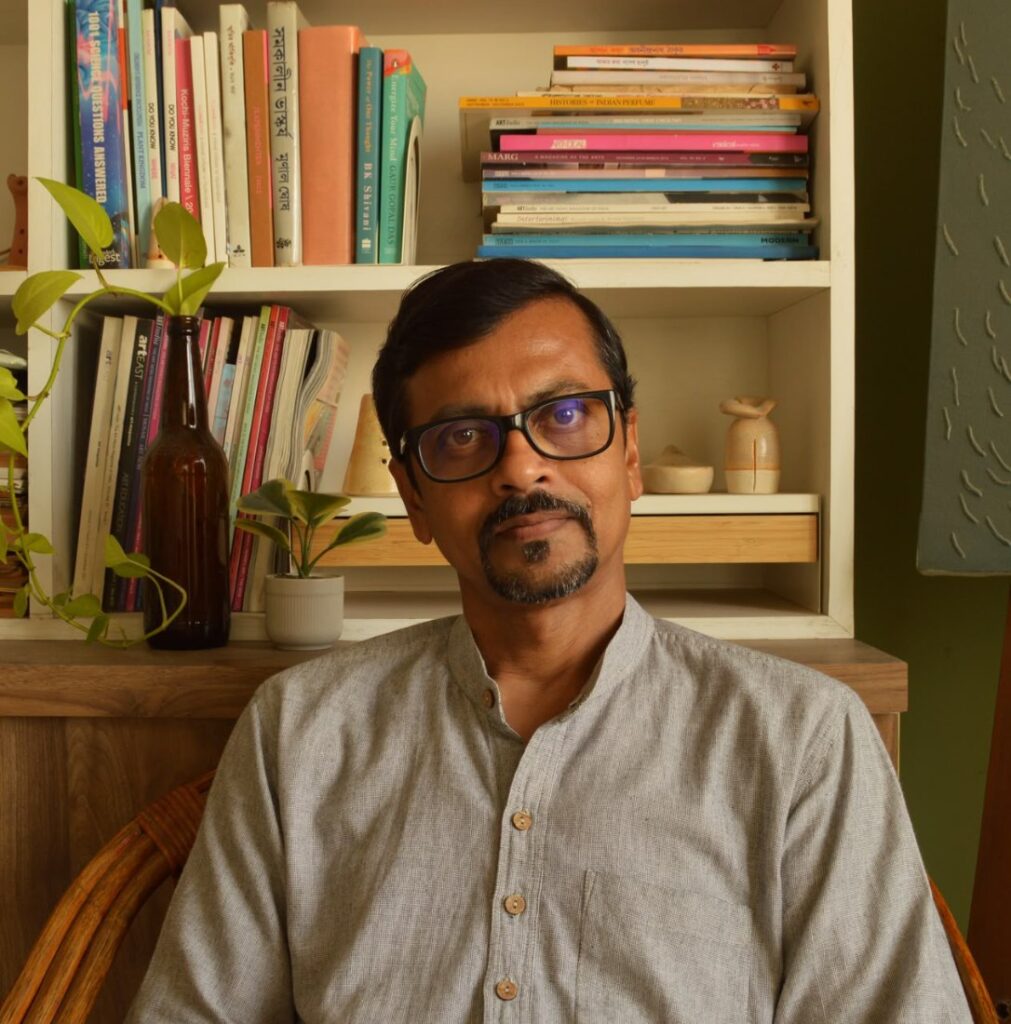
Saroj Kumar Badatya
Saroj Kumar BadatyaVisual artist, Odisha

Saroj kumar Badatya is a visual artist based in Odisha, India. His artistic practice explores the connection between grass, agriculture, climate change, traditional knowledge, and folk Odia folk culture. He meticulously researches and collects regional grasses, exploring their…

Saroj Kumar Badatya

The panel · Edition One

Saroj Kumar Badatya

Visual artist, Odisha

Saroj kumar Badatya is a visual artist based in Odisha, India. His artistic practice explores the connection between grass, agriculture, climate change, traditional knowledge, and folk Odia folk culture. He meticulously researches and collects regional grasses, exploring their ecological and cultural significance through fieldwork and community engagement. He uses nontoxic printmaking, woodcut prints, natural pigments, drawing, and video to create immersive spaces for reflection on environmental and agricultural heritage.

Prof. Satadru Sovan Banduri
Prof. Satadru Sovan BanduriMultidisciplinary artist, curator, Fulbright Scholar and Visiting Faculty, College of Art, Delhi

Satadru Sovan Banduri is an internationally acclaimed Indian multidisciplinary artist, curator, researcher, and Fulbright Scholar in the Digital Arts and New Media (DANM) program at the University of California, Santa Cruz. As the founder and director of HD…

Prof. Satadru Sovan Banduri

The panel · Edition One

Prof. Satadru Sovan Banduri

Multidisciplinary artist, curator, Fulbright Scholar and Visiting Faculty, College of Art, Delhi

Satadru Sovan Banduri is an internationally acclaimed Indian multidisciplinary artist, curator, researcher, and Fulbright Scholar in the Digital Arts and New Media (DANM) program at the University of California, Santa Cruz. As the founder and director of HD BOX (Hexxyduxxybox) and the visionary behind the International Behavioural Art Festival, he plays a pivotal role in advancing experimental, transnational performance art discourse on a global scale.

Banduri’s practice encompasses canvas painting, digital and generative NFT art, immersive light installations, and live performance. His oeuvre critically engages with themes of ecological collapse, gender ecology as well politics, and posthuman identity, frequently juxtaposing endangered species with human vulnerability to examine humanity’s environmental impact.

His work has been showcased at prestigious institutions including the Lincoln Center (New York), the Museum of Art and History (Santa Cruz), and the Schema Art Museum (South Korea), as well as across major international biennales in Iran, China, Pakistan ,Cheongju, Phelipaninc and Athens. With 11 solo exhibitions, over 147 performance works across 36 countries, and 25 international artist residencies to his credit, Banduri remains a compelling voice at the intersection of technology, ecology, and human identity. He serves on the boards of the Lock Unlock Performance Art Project and the Transnational Coalition for the Arts, actively contributes to the Performance Studies International (PSi) Artistic Research Working Group, and acts as the Brand Ambassador for the Worldwide Peace Marker Project (USA).
Watch

The artists, in their own words.

All videos on YouTube

See every film and reel

Our promises

Six things we will not move on.

These are policies, not aspirations. They are all inside the Foundation’s control.

01

Artists keep their work.

Copyright stays with the artist, always. We take a limited licence to publish. We never take ownership, and we never ask for it.

02

No student ever pays us.

Not to submit. Not to be featured. Not to be listed in the catalogue. If anyone ever asks a student for money in our name, we want to hear about it that day.

03

Nothing is published without consent.

No face, no work, no words — until the artist has signed. Where an artist is under eighteen, a guardian signs too.

04

The artist is paid on every sale.

The artist sets the price and is paid on every sale. What the Foundation keeps goes back into running the store and publishing the next artist.

05

Editorial is not for sale.

No sponsor sees a story before publication. No sponsor chooses an artist. Anything paid for is labelled as paid for, every single time.

06

At least a third from outside the metros.

At least a third of the artists we feature will come from outside the eight largest metros. We measure it across every twelve issues and publish the count, whether or not we hit it.