
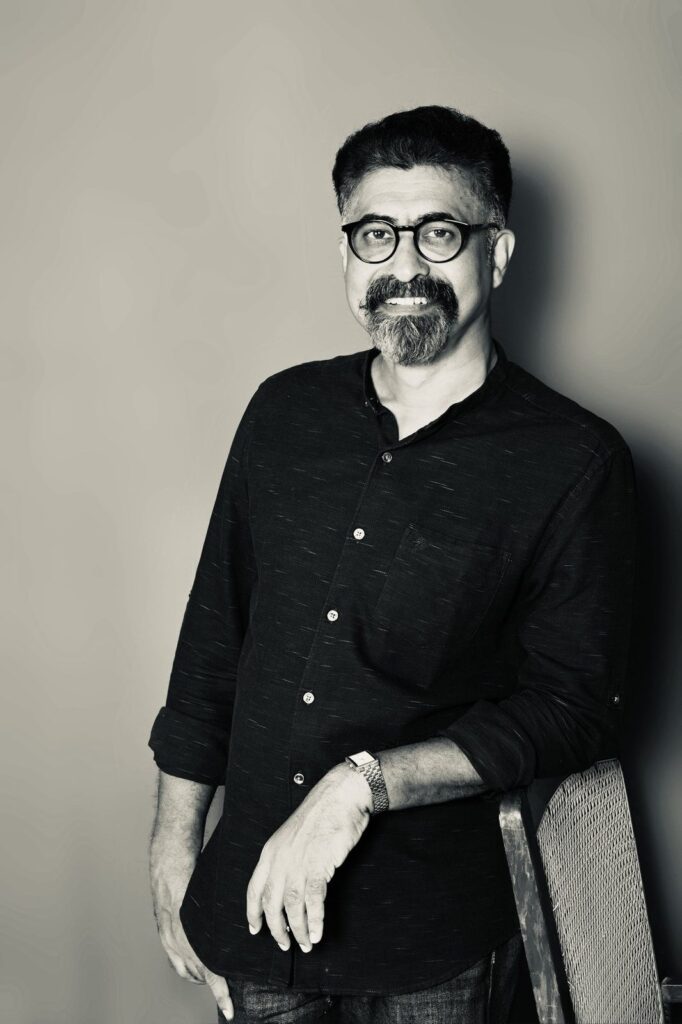
© Shijo Jacob
A long walk to the cinema
© Shijo Jacob
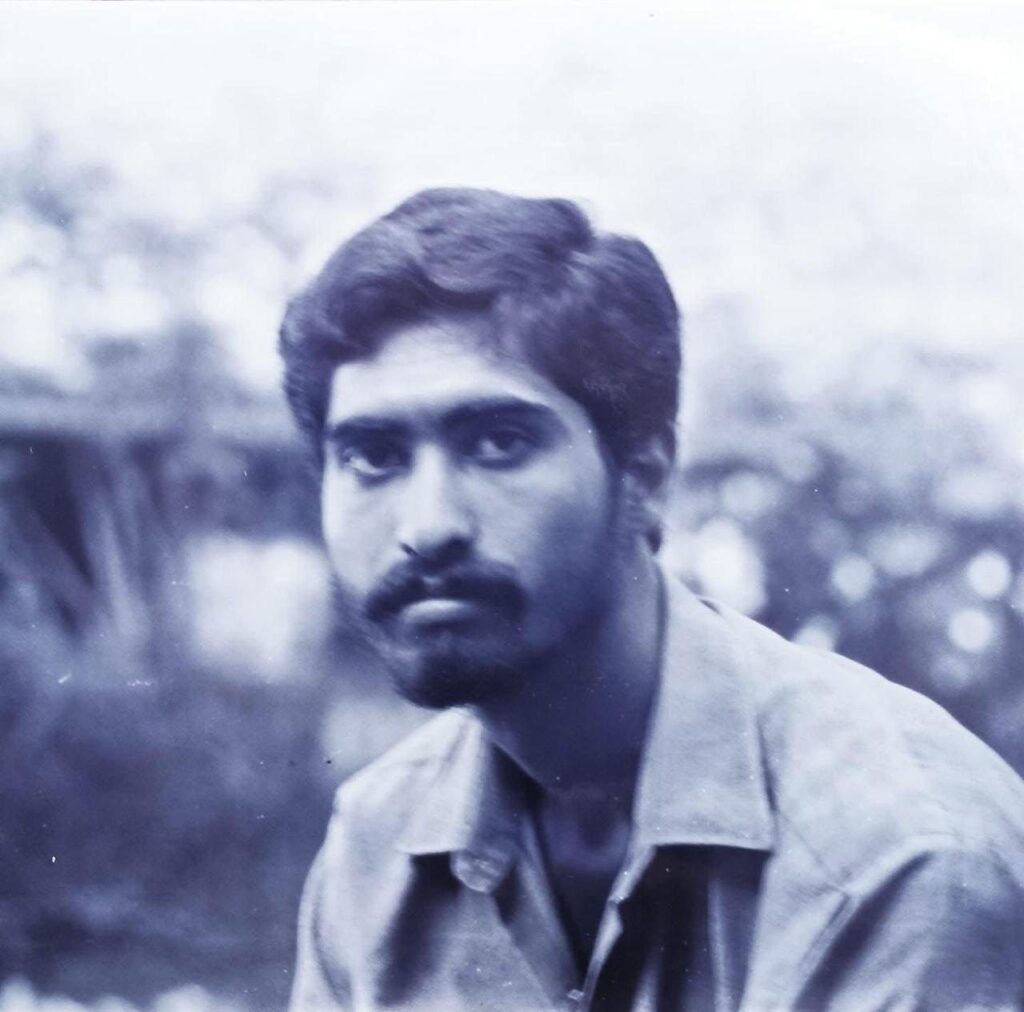
Shijo studied at the College of Fine Arts, Thiruvananthapuram. It was a time, he says, when literary gatherings, cinema, music and much else came together to shape a young art student. It was also when he discovered what classic cinema meant.
“I still vividly remember walking several kilometres just to watch Bicycle Thieves, the Italian film, for the very first time. Those memories remain unforgettable.”
“My years at the College of Fine Arts, Thiruvananthapuram, were truly an experience in themselves.”
© Shijo Jacob
Why he paints
© Shijo Jacob
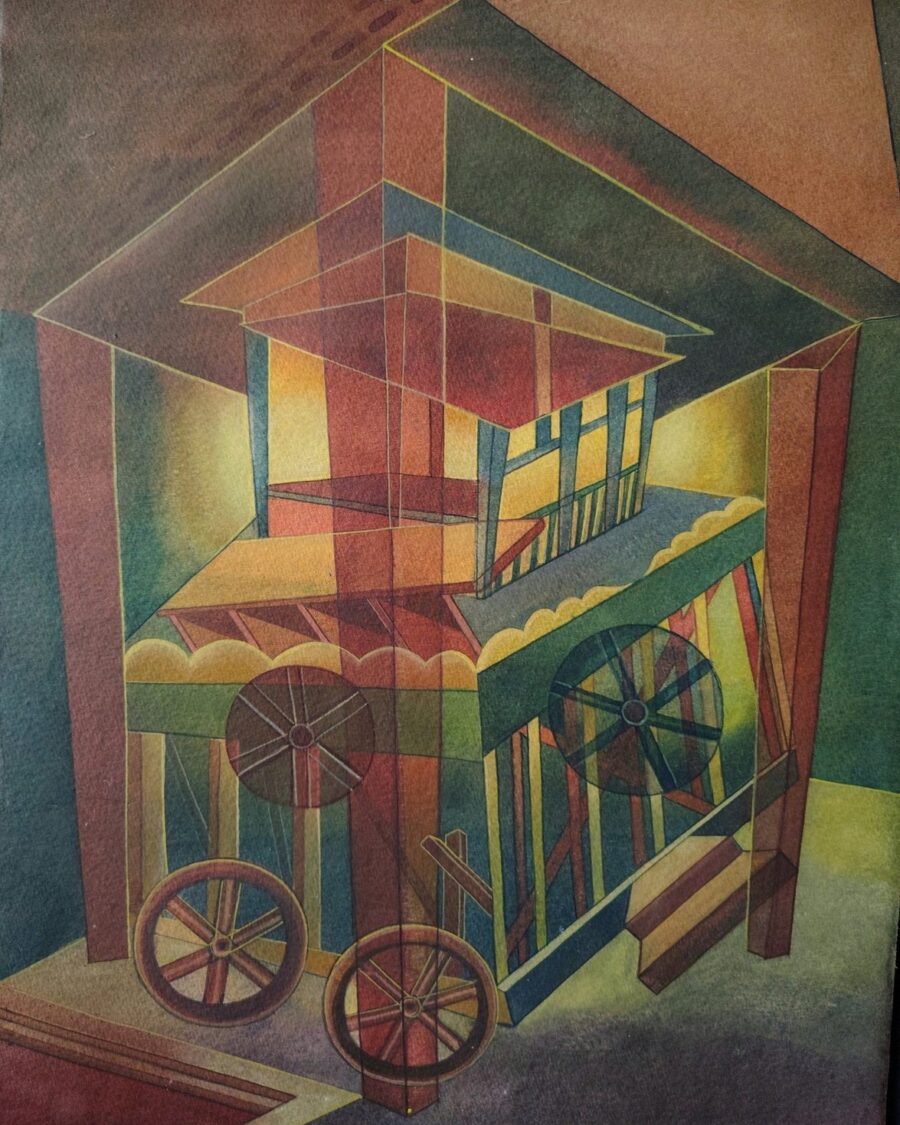
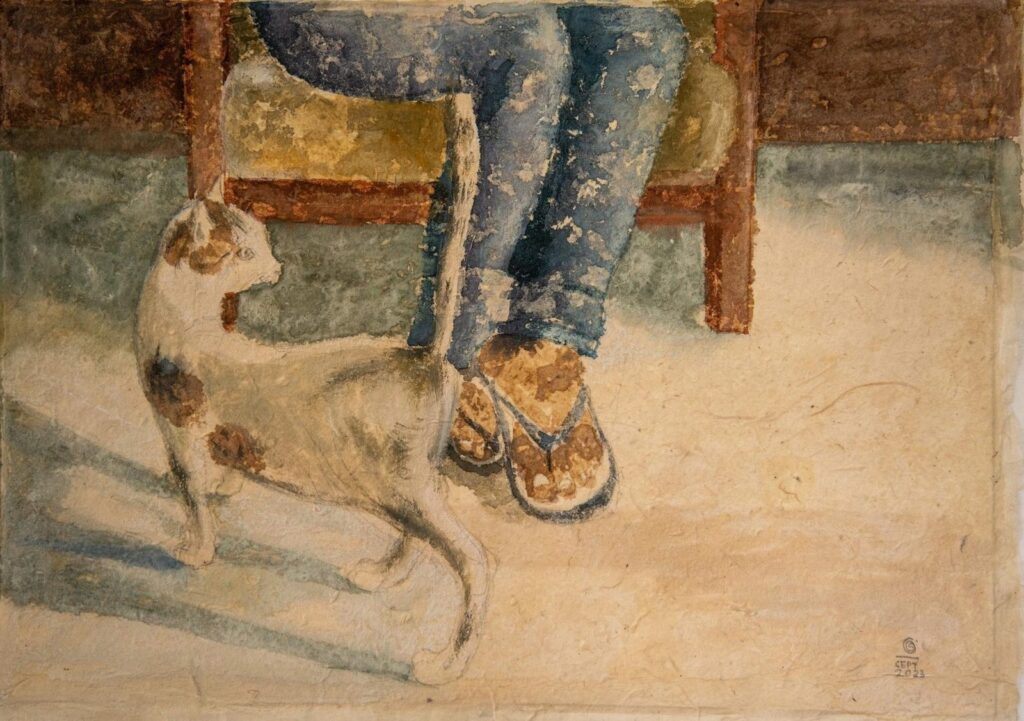
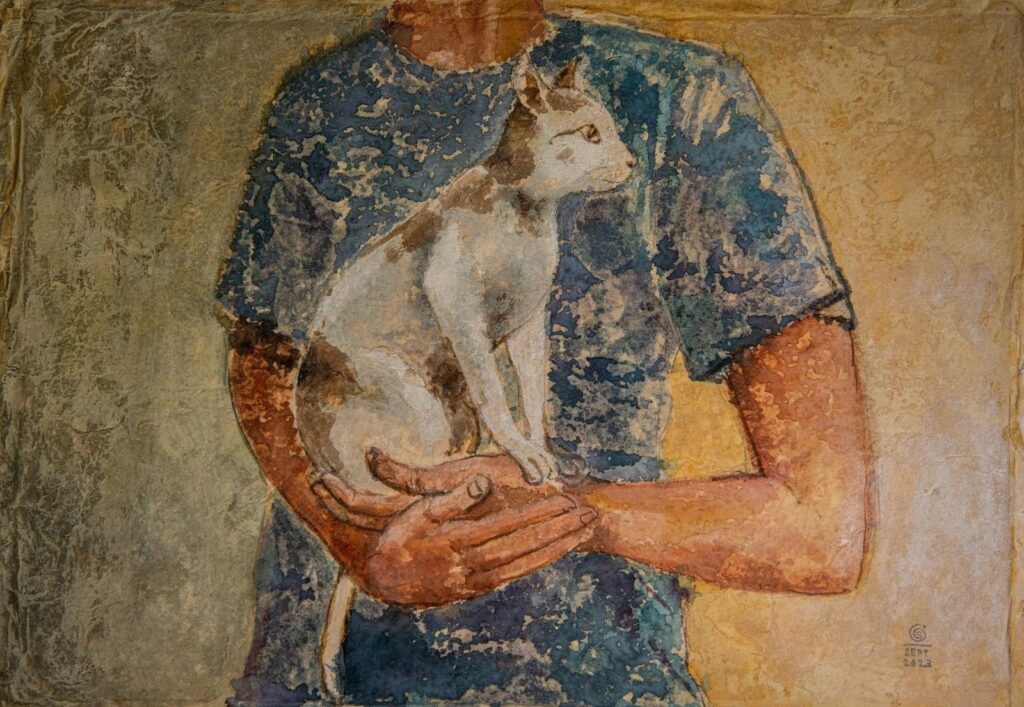
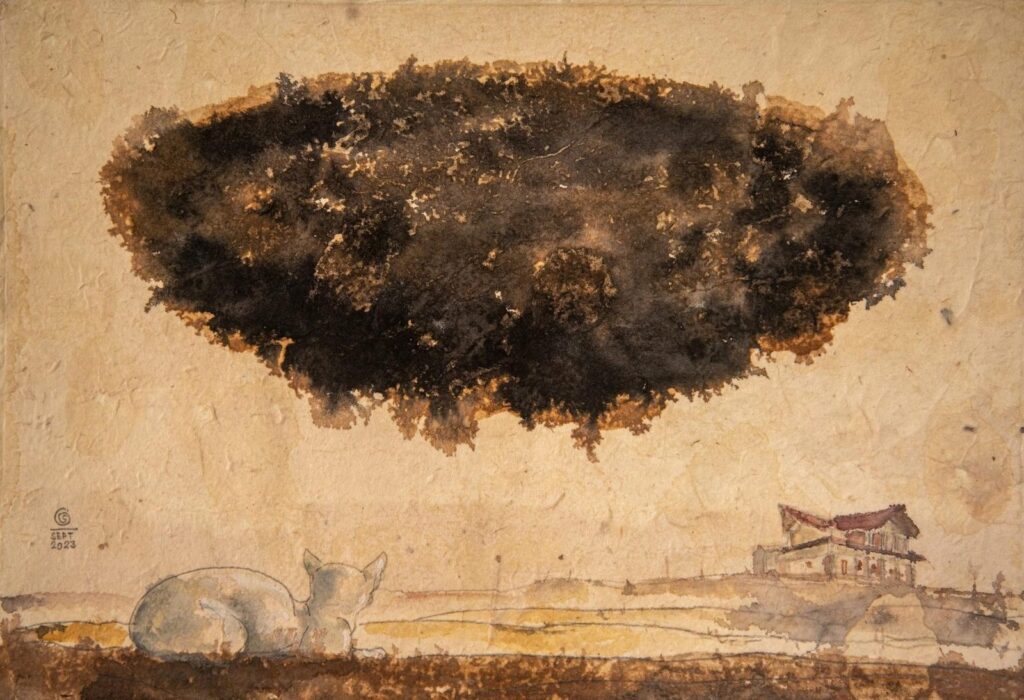
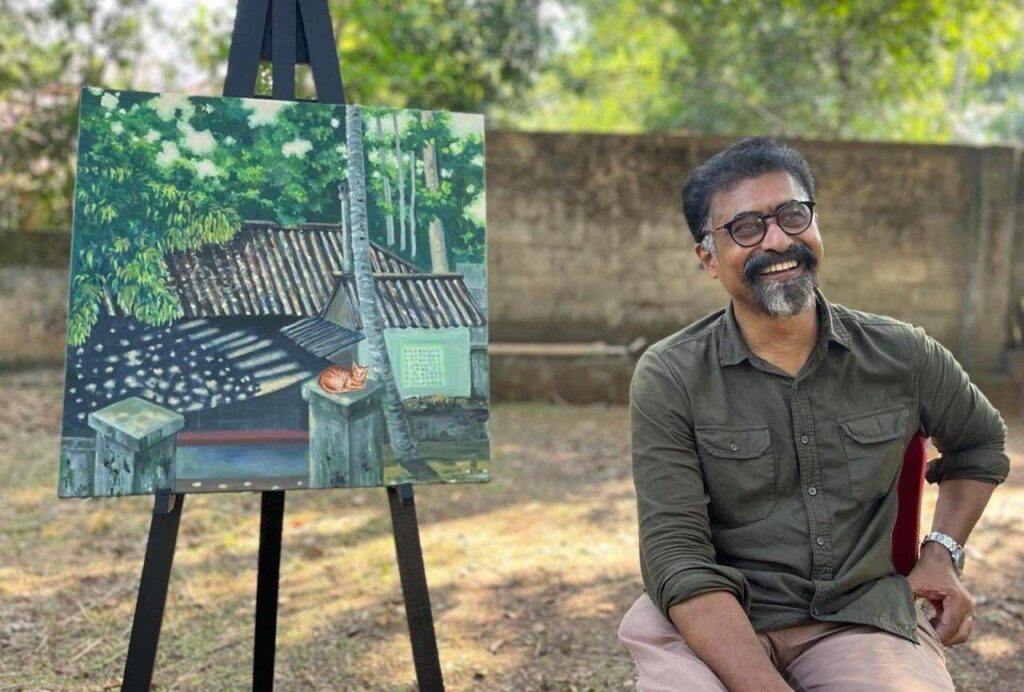
His paintings portray the land and its people: “their dreams, memories, culture, and everyday lives.” The customs, rituals and festivals of his home find their way in. “In many ways, these paintings are also documentations of a particular time and an era.”
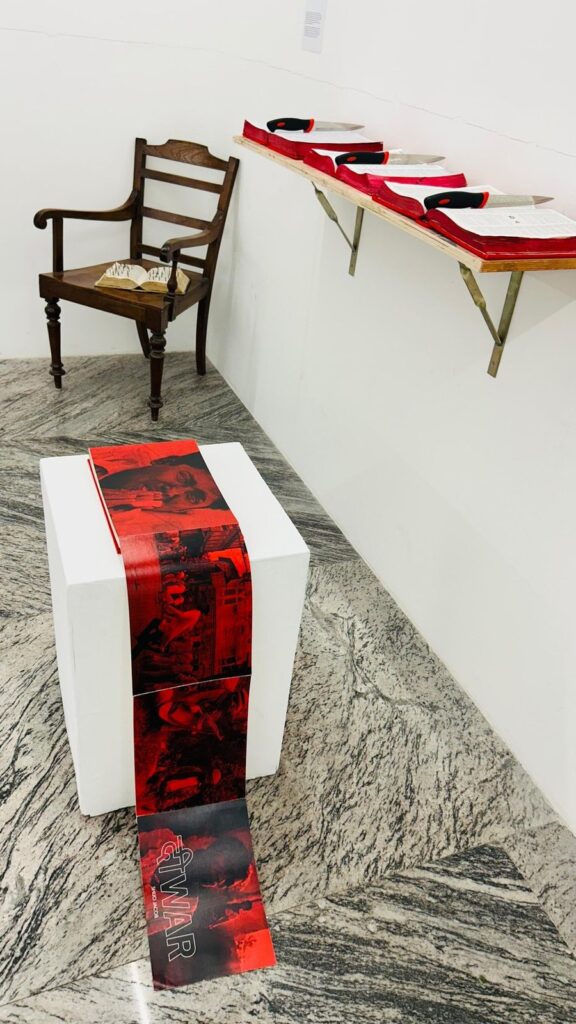
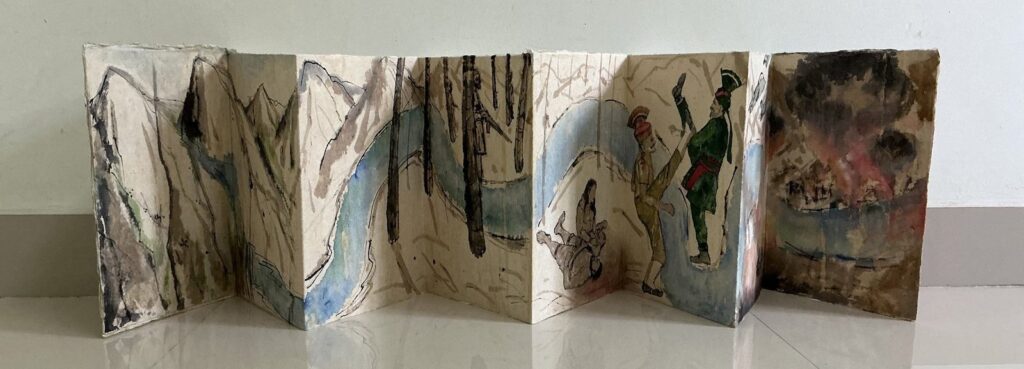
He also works across materials, and his favourite form is the artist’s book: a book made as a work of art, in a visual language.
“I cannot imagine not painting. That is why I paint.”
Displaced, misplaced
© Shijo Jacob
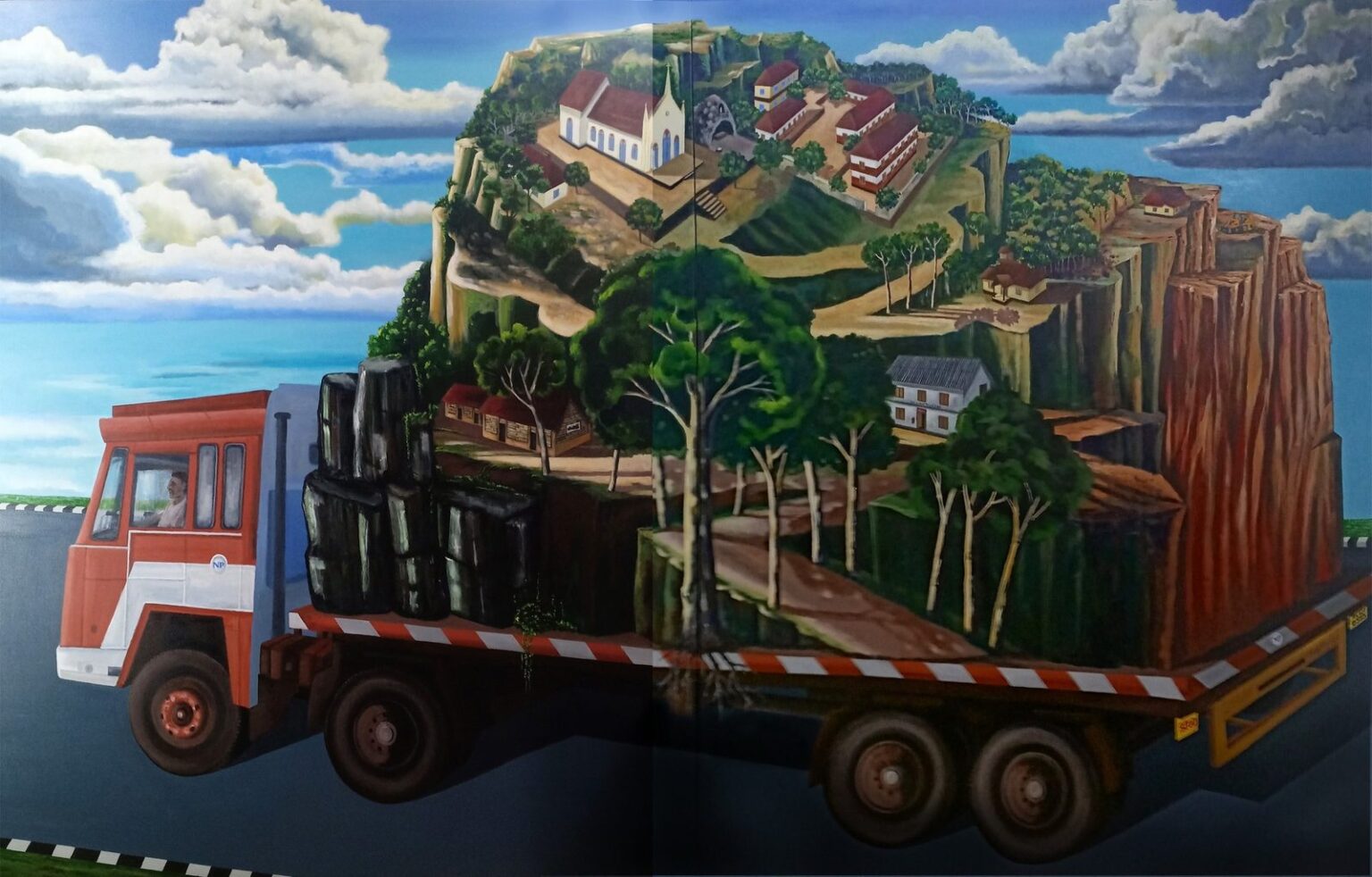
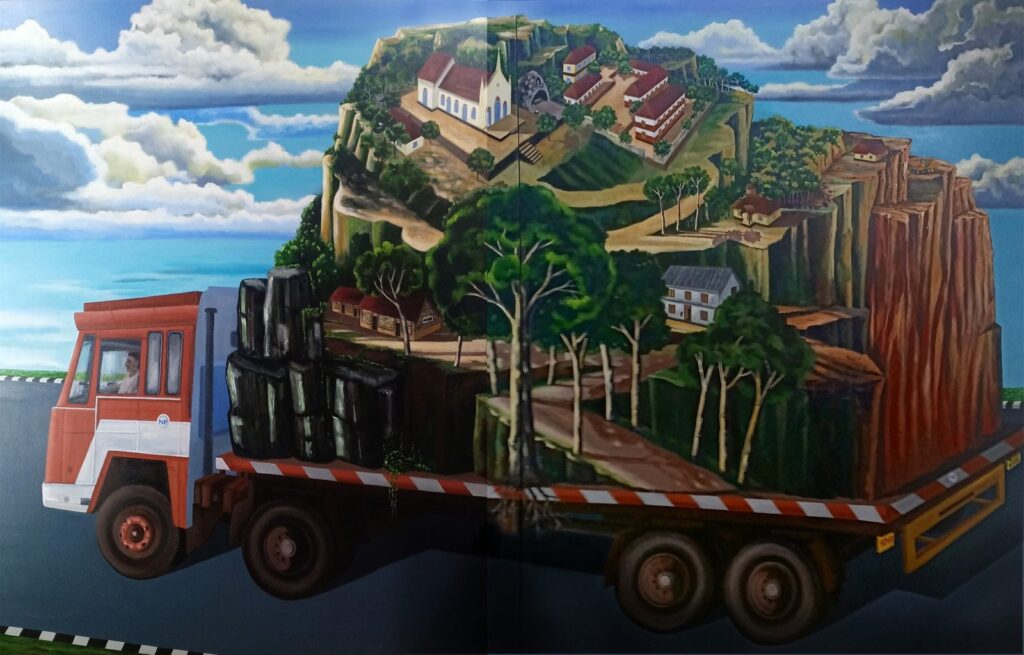
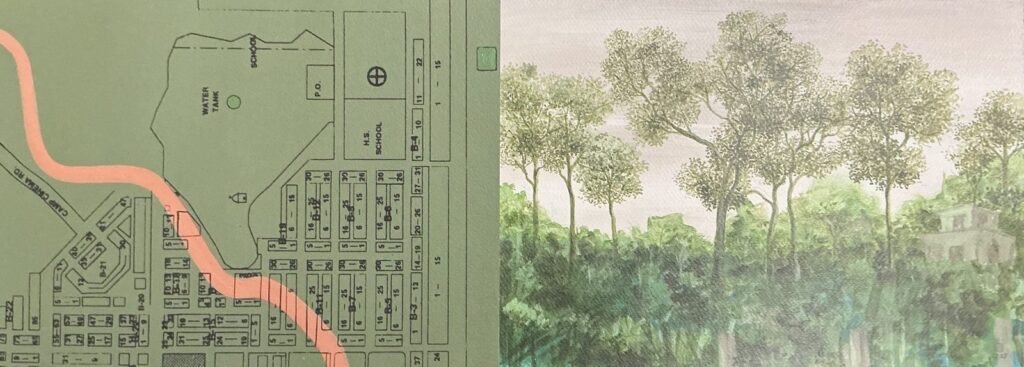
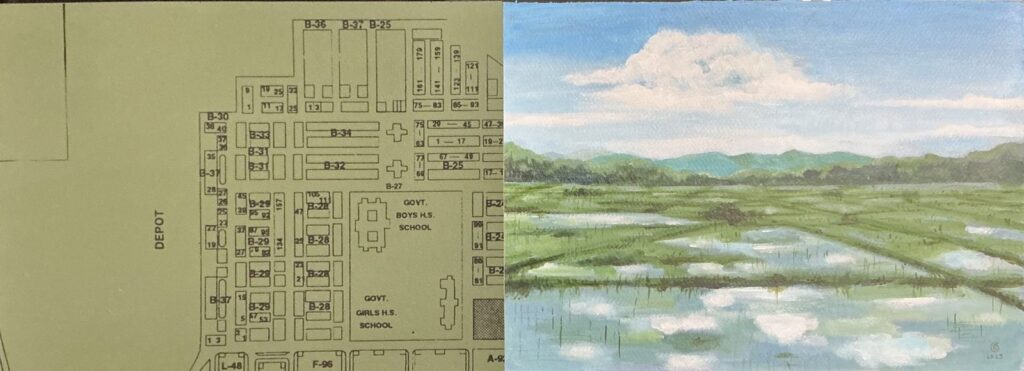
A few years ago Shijo painted Take Away, a diptych he showed in his exhibition Displaced, Misplaced. It shows a huge hill being carried away on a large lorry.
It is a sight he sees often in his hometown, where hills are levelled and their soil is taken to fill paddy fields and for other development.
“They destroy the ecological balance of a region and alter the very physical structure of the land.”
“People are gradually displaced from their natural habitats, and, in a broader sense, everything seems to experience a form of displacement.”
How to look at a landscape
© Shijo Jacob
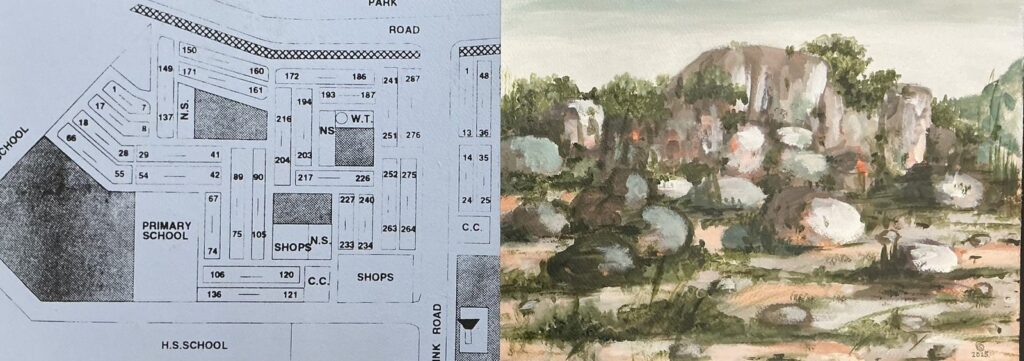
He has no fixed idea of how anyone should look at his work. Some viewers will follow the composition. Others will notice the concepts, the politics and the concerns inside it.
“Even without considering these aspects, one can simply experience the painting as a landscape.”
“Ultimately, it is entirely up to the viewer how they choose to see and interpret the work.”
© Shijo Jacob
To young artists
“Be patient with your practice, remain open to new possibilities, and remember that art is not only about expressing yourself, but also about understanding the world and questioning the society we live in.”
And the one thing he wishes someone had told him when he started out: “becoming an artist is not about finding the right answers, but about learning to ask the right questions.”
Shijo Jacob
Instagram @shijo.jacob
Read Issue Five, with all seventeen films →
More about Shijo →

The Raconteur is open to every reader and every artist. If you would like to help, you can give to Kalyani Kalakriti Foundation.
Watch Prof. Shijo Jacob in his own words
Send Prof. Shijo a note.
A few words about their work mean a lot to a young artist. The team reads every note before it goes to Prof. Shijo.
Get the next issue every Monday.
Just your email.